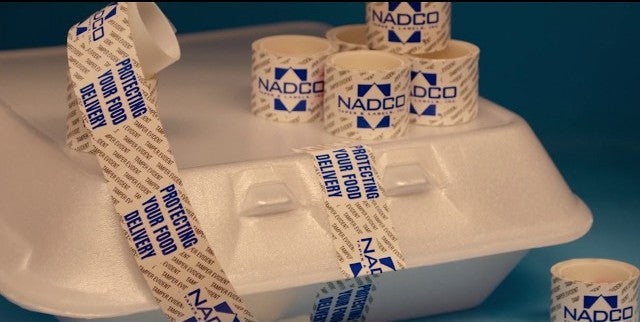
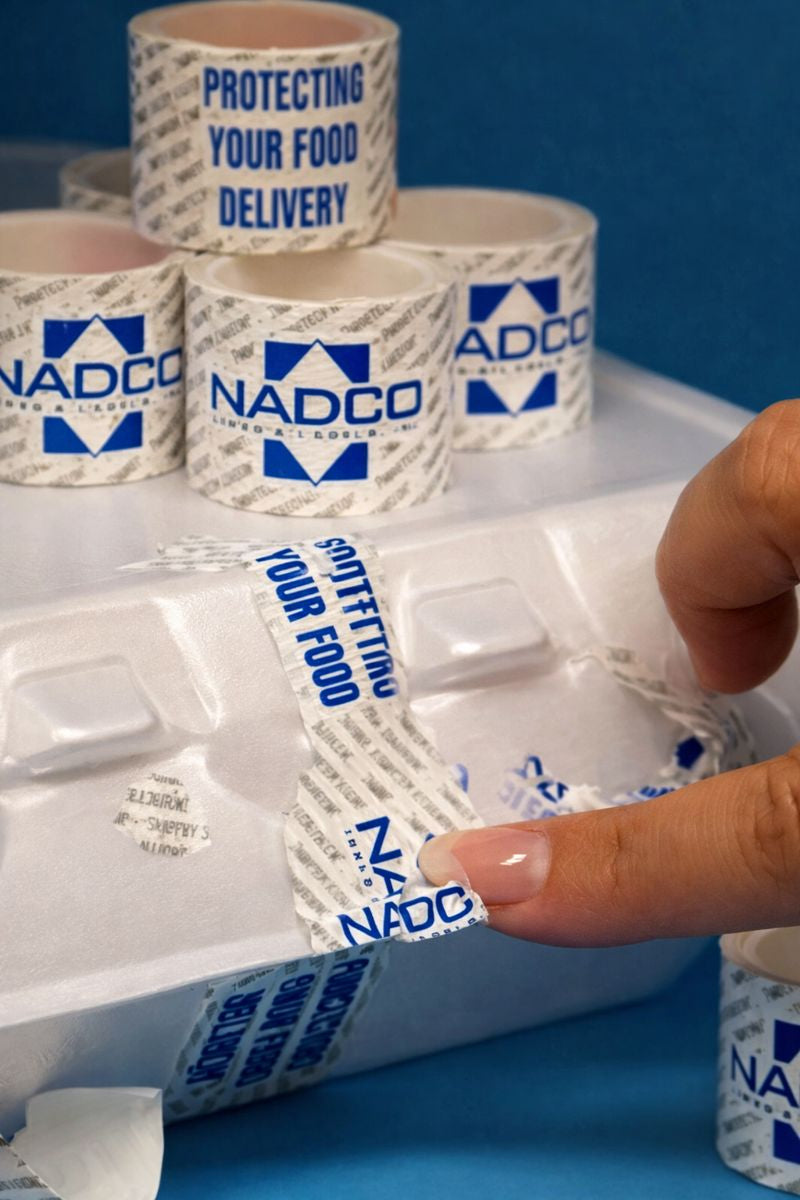
Use Tamper-Evident Labels for Security and Safety Purposes
Safety is the primary reason for using tamper-evident labels. Foods, drugs, sterile equipment, and other such products shouldn’t be consumed if they’ve been compromised in some way. A tamper-evident label makes it clear if packaging has been opened or altered.
This is an easy way for manufacturers to ensure the safety of their customers. Even when not required, some companies choose to use tamper-evident packaging to provide buyers with peace of mind. As an added benefit, it may make a difference to consumers when choosing between your product and a competitor’s. Ultimately, tamper-evident labels help build brand integrity and protect against counterfeit products.
Types of Tamper-Evident Labels
There are a variety of types of tamper-evident labels. The one that’s right for your product typically depends upon what type of packaging you’re using, as well as other considerations such as budgets, goals, and preferences.
- Tamper-evident checkerboard. When a checkered label is removed, it leaves the checkerboard pattern behind to signify that the product has already been used or opened. The label itself can’t be resealed, so it’s impossible to reattach it if it’s been removed.
- Tamper-evident void. Removing this tape reveals a “void” pattern. It can’t be reattached. This is especially useful for alerting handlers that shipped boxes have been opened.
- Destructible label. These vinyl labels are easy to apply, but are also easily torn and won’t come off in a single piece. This makes it very difficult to remove the label completely, and the time-consuming nature of this act is a deterrent in itself. This also prevents would-be counterfeiters from putting the label on a different package.
- Anti-forgery label. By printing these labels with special materials, the labels become very difficult to counterfeit. It can also create a more polished, sophisticated look for the image you’re using on your label.
- Holographic foil. Holographic foil is difficult to copy or counterfeit due to its prismatic effect. The foil may be combined with tamper-evident patterns such as void or checkerboard that are left behind if the label is removed.
- Holographic residue. In this case, a removed label leaves behind a pattern of reflective dots that are intensely difficult to remove without obviously damaging the packaging.
Common Uses of Tamper-Evident Labels
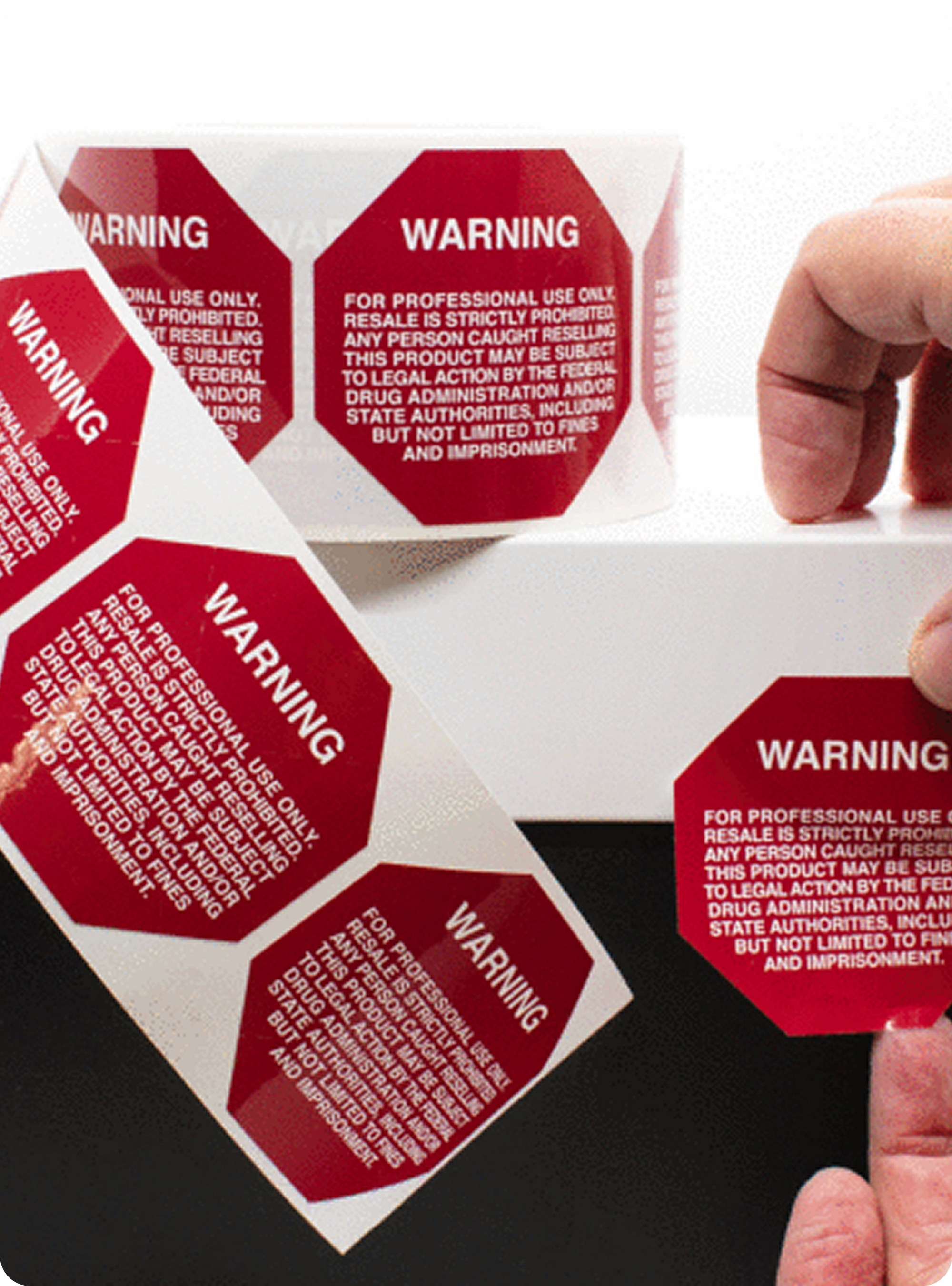
Pharmaceuticals, food and beverage items, and cleaning products regularly use tamper-evident labels and packaging to help protect consumers. These labels, seals, and stickers not only serve as a warning to customers if they’re broken, but also provide an extra barrier of protection against accidental leakage during transit. Here are some ideal situations for using tamper-evident labels:
- Food and beverages. For food and beverage products, tamper-evident labels help ensure the freshness of the food. If a container has been opened—even if the food item was not opened or damaged on purpose—the exposure to air or moisture could lead to mold or spoiling. Some of the product could have spilled, leaked, or been consumed by other customers. The label provides visual evidence that the product may have been used or compromised in some way and shoppers can simply choose a different item. In the best cases, store employees note the broken seal and report the issue before a customer finds it on the shelf.
- Restaurant delivery. Now that third-party services enable food delivery and food orders to-go from nearly any dining establishment, product security becomes even more important to ensure a delivery driver doesn’t help himself or herself to your purchase. A few missing fries may go unnoticed by the receiver, but a broken tamper-evident label will not. Tamper-evident labels offer an ideal way to make sure that uncontrolled third-party food delivery services don’t damage a restaurant’s reputation.
- Pharmaceuticals. In rare cases, a broken tamper-evident label could be the result of malicious intent, which is why tamper-resistant and tamper-evident packaging was originally developed. In 1982, several people died as a result of taking Tylenol that had been laced with poison. Though the criminals were never caught, it was determined the tampering happened after the medicine had left the factory, leading investigators to believe bottles were purchased or stolen, laced with poison, then returned to the shelves. Guidelines were enacted that required the usage of tamper-evident and tamper-resistant labeling on pharmaceuticals.
Tamper-Evident Labels From NADCO
Today’s tamper-evident labels help prevent incidents ranging from simple accidents to catastrophic tragedy. While most broken labels are likely the result of an accident, a broken tamper-evident label lets a consumer know that they should not risk using the product. Given this benefits to the consumer, more companies are starting to use tamper-evident labeling even when not required. It’s all part of protecting customers and creating a higher-quality buyer experience.
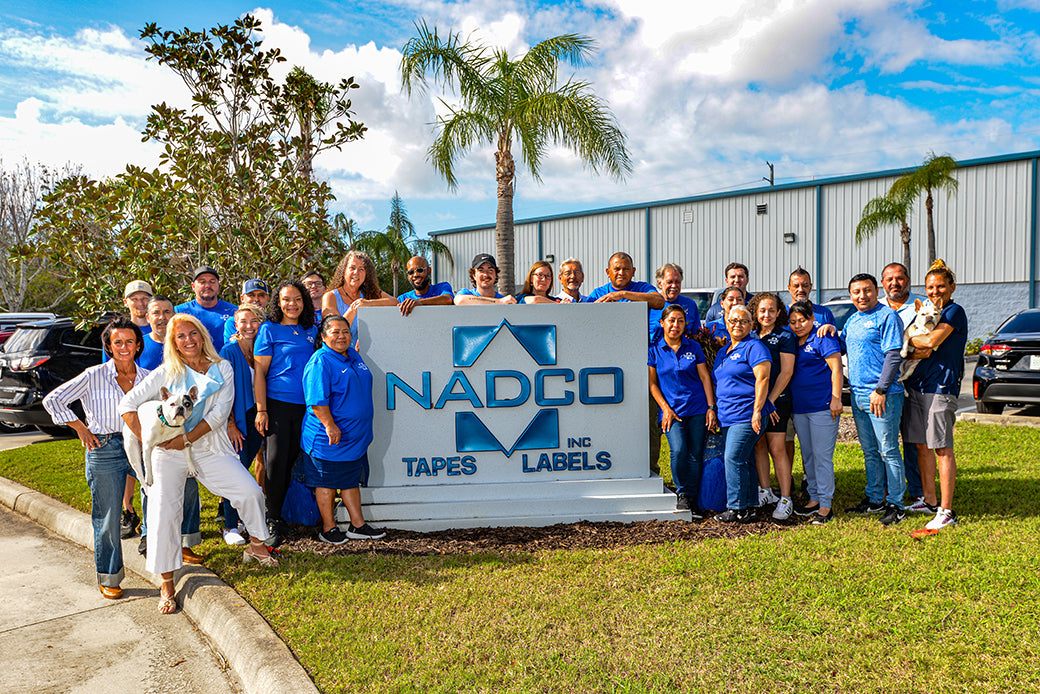
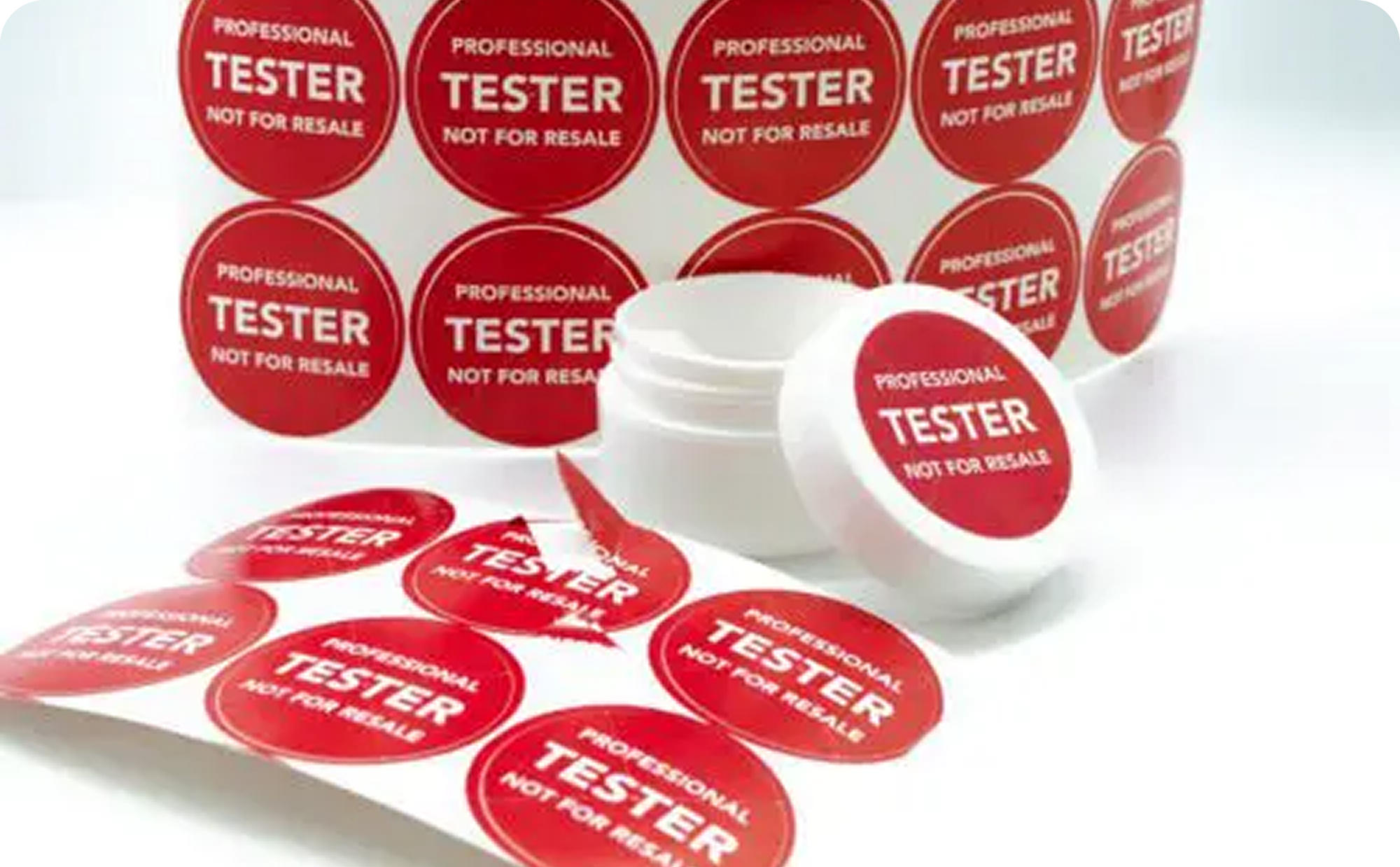
NADCO Tapes & Labels, Inc. specializes in customized orders for tamper-evident labels, as well as a variety of other labels and tapes. Our 35,000-square-foot warehouse allows us to keep a large inventory of the adhesive products you need most.
Contact us for more information about our tamper-evident label solutions or any of our other products.

Industries We Serve
Aerospace Industry
Aerospace Industry
The aerospace industry uses adhesive tapes to hold and insulate critical components under exposure to a wide variety of harsh conditions, including extreme temperatures, high moisture, fluctuating pressures, and UV radiation. To withstand the operational challenges posed by aerospace equipment, tapes must meet stringent standards and requirements for temperature resistance, flammability, low weight, and adhesion.
Automotive Industry
Automotive Industry
NADCO Tapes and Labels is a leading manufacturer of standard and custom tapes and pressure-sensitive labels. With our 35,000 square foot facility full of the latest manufacturing technology, we can create custom products for countless industries, including the automotive industry.
Contruction Industry
Contruction Industry
There are many applications for adhesive tapes on construction sites both within a structure’s interior and around the exterior, and many types of construction tapes exist that provide solutions for this industry.
Electronics Industry
Electronics Industry
Adhesive tapes are common in the electronics industry. While they’re typically used for insulation and other safety reasons, there are a number of specific applications that require different custom tapes. At NADCO, we’re proud to offer a wide range of materials and adhesive options that can be used for electronic products and applications, from masking and shielding to mounting and more. Over the years, we’ve worked with countless clients in the electronics space, and not only are we familiar with industry requirements and expectations, we’ve worked to create custom solutions for these companies.
Medical Industry
Medical Industry
Adhesive tapes used in the medical industry must meet strict medical-grade standards that often require customization. The tapes used in medical applications have the potential of being exposed to varying conditions, so they must have biocompatibility and be able to withstand intense environments.
Nuclear Industry
Nuclear Industry
At NADCO, we understand that each application is different, which is why we provide a wide range of nuclear tape and label designs, features, and customization options. We aim to enhance the safety of nuclear applications with quality adhesive solutions for every situation, from nuclear warning labels and RAD wipes to hazard tape and radioactivity indicator signage.
Personal Protective Equipment Industry
Personal Protective Equipment Industry
Personal protective equipment (PPE) is a broad term that refers to the equipment used to reduce your risk of injury or illness caused by exposure to germs and dangerous working conditions. Different types of PPE are required across various industries, depending upon the unique risks posed on the job site. These include face and eye protection as well as hard hats for the construction industry.
Safety Industry
Safety Industry
Safety is a crucial aspect of any work environment. Employees need a safe work environment, and customers must be able to access products and services without undue risk. In order to establish safe facilities, many companies incorporate safety tapes.