



Keeping the Workplace Safe with Vinyl Tape
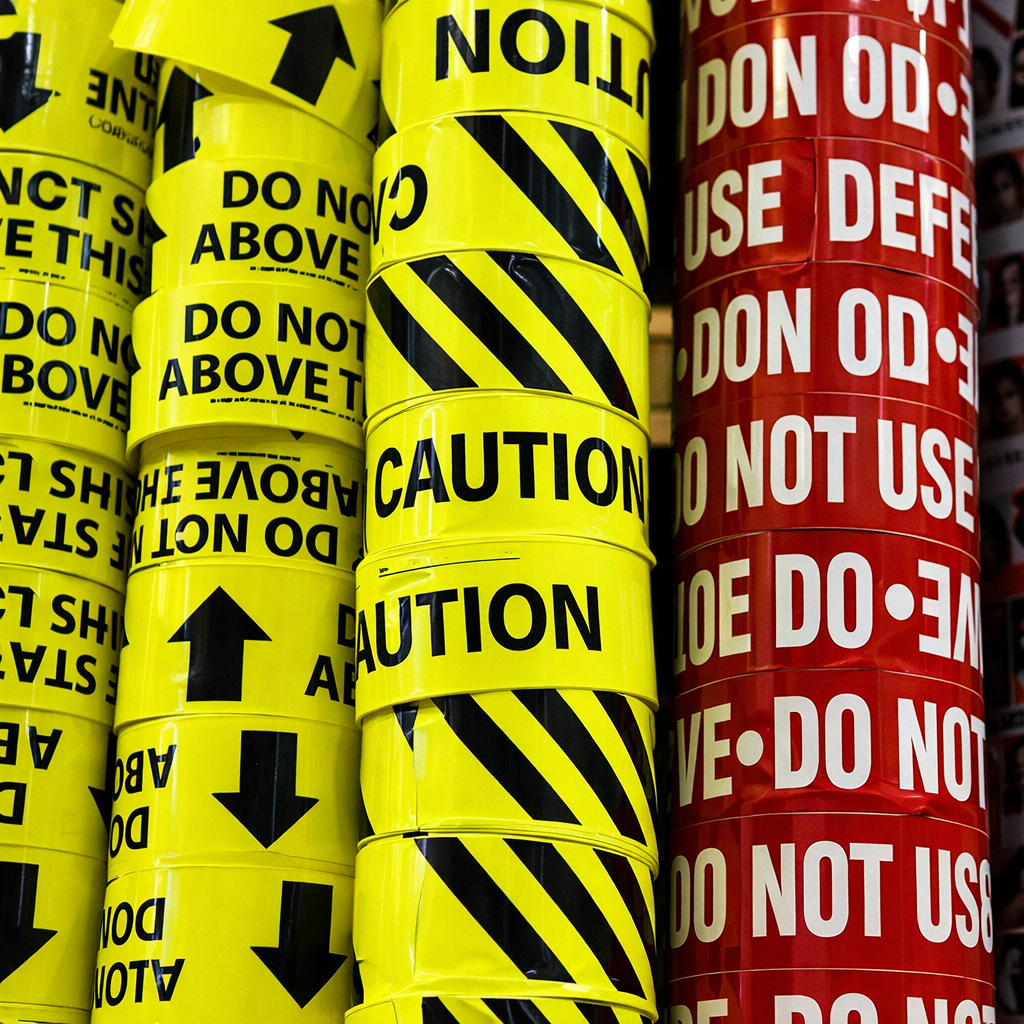
Vinyl tapes are a critical safety asset in many industrial locations ranging from parking lots and storage yards to factories and warehouses. Vinyl tapes are ideal for nearly any environment because they resist weather, environmental factors, wear, and abrasion.
Material and coloring are important factors to consider when purchasing safety tape. Brightly colored adhesive tapes not only provide visual cues to highlight hazards, but add traction in many walkways. Vinyl tapes have other practical uses as well, such as joint sealing, pipe wrapping, decorating, and light bundling.
Since vinyl tapes are a highly versatile solution, many workplaces customize tapes to specific colors and widths to support safety initiatives that are unique to each setting. NADCO offers a wide selection and a creative perspective to make each safety project a well-marked reality.
Applications of Safety Tapes
One of the most important functions of safety tapes is to call attention to hazards. Bright colors such as red or yellow—or eye-catching color-combinations and patterns—are used to grab attention and make it easy for people to avoid certain areas or follow walkways. These vinyl tapes can be used to make workers aware of a variety of risks, such as:
- Hazards related to machinery
- Social Distancing requirements
- Chemicals
- High noise levels
- Heights or edges
- Traffic
- Other dangerous circumstances
Safety tape creates a bright visual barrier between personnel and hazards. More than one color barricade tape can be used to indicate different types of hazards, and the space can be marked with different widths and thicknesses.
Vinyl tapes are also useful for marking safe aisles and pathways through a facility, especially for environments where social distancing is required for regular operation. Clearly marked pathways guide workers through a busy workplace and separate pedestrians from heavy machinery such as forklifts and other vehicles, mitigating the risks of collisions or other accidents. These bright markings also fulfill OSHA requirements by guaranteeing the required width of an aisle isn’t blocked by pallets or boxes.
While yellow is the traditional color to mark paths, a facility may find it more useful to mark different paths in different colors to communicate their purpose. For example, pedestrian paths could be marked in yellow while lift truck paths are marked in red.
Best Practices for Using Safety Tape
Safety tape is most effective when installed and maintained properly. Tips for proper installation include:
- Tape should be applied to a clean, dry surface. This ensures that it fully adheres to the floor and will have a long lifespan.
- Clean the vinyl tape regularly so it stays bright and maintains high visibility.
- Always communicate to staff and visitors what the safety tape represents and how people should react to the different patters or colors—especially when it is used to mark hazards.
Markings should be precise, simple, and obvious. Everyone should have a clean understanding of what each color or color combination represents. This should include training, so that all stakeholders understand how to interpret the different colors and markings (such as arrows, circles, squares, X’s, etc.) created with floor tape. A safe and productive workplace is possible only when people know how to interpret the tapes.
Working with NADCO
NADCO is devoted to printing and die-cutting adhesive tape to help our clients with a broad range of safety initiatives, industrial applications, advertising programs, and recreational needs.
Contact Us for more information about our vinyl tape and other products. We excel at making your ideas stick!

Industries We Serve
Aerospace Industry
Aerospace Industry
The aerospace industry uses adhesive tapes to hold and insulate critical components under exposure to a wide variety of harsh conditions, including extreme temperatures, high moisture, fluctuating pressures, and UV radiation. To withstand the operational challenges posed by aerospace equipment, tapes must meet stringent standards and requirements for temperature resistance, flammability, low weight, and adhesion.
Automotive Industry
Automotive Industry
NADCO Tapes and Labels is a leading manufacturer of standard and custom tapes and pressure-sensitive labels. With our 35,000 square foot facility full of the latest manufacturing technology, we can create custom products for countless industries, including the automotive industry.
Contruction Industry
Contruction Industry
There are many applications for adhesive tapes on construction sites both within a structure’s interior and around the exterior, and many types of construction tapes exist that provide solutions for this industry.
Electronics Industry
Electronics Industry
Adhesive tapes are common in the electronics industry. While they’re typically used for insulation and other safety reasons, there are a number of specific applications that require different custom tapes. At NADCO, we’re proud to offer a wide range of materials and adhesive options that can be used for electronic products and applications, from masking and shielding to mounting and more. Over the years, we’ve worked with countless clients in the electronics space, and not only are we familiar with industry requirements and expectations, we’ve worked to create custom solutions for these companies.
Medical Industry
Medical Industry
Adhesive tapes used in the medical industry must meet strict medical-grade standards that often require customization. The tapes used in medical applications have the potential of being exposed to varying conditions, so they must have biocompatibility and be able to withstand intense environments.
Nuclear Industry
Nuclear Industry
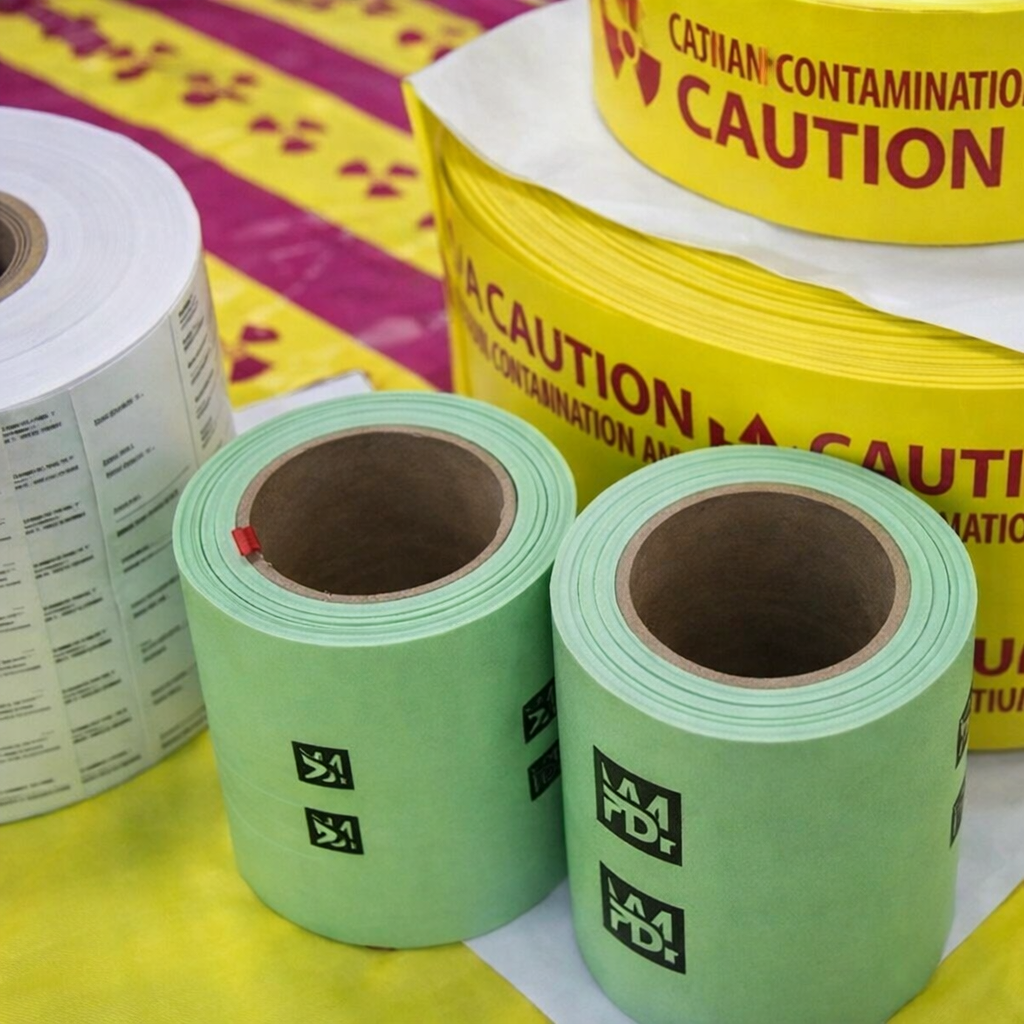
At NADCO, we understand that each application is different, which is why we provide a wide range of nuclear tape and label designs, features, and customization options. We aim to enhance the safety of nuclear applications with quality adhesive solutions for every situation, from nuclear warning labels and RAD wipes to hazard tape and radioactivity indicator signage.
Personal Protective Equipment Industry
Personal Protective Equipment Industry
Personal protective equipment (PPE) is a broad term that refers to the equipment used to reduce your risk of injury or illness caused by exposure to germs and dangerous working conditions. Different types of PPE are required across various industries, depending upon the unique risks posed on the job site. These include face and eye protection as well as hard hats for the construction industry.
Safety Industry
Safety Industry
Safety is a crucial aspect of any work environment. Employees need a safe work environment, and customers must be able to access products and services without undue risk. In order to establish safe facilities, many companies incorporate safety tapes.


