



You probably see marking or reflective tapes used throughout your facility and don’t give it much thought. After all, you already know there’s a step-down here or a potentially dangerous piece of equipment there, so it might seem like the tape isn’t doing much help to you. However, it plays an incredibly important role in the workplace.
Marking tape is applied to facility surfaces for a variety of purposes, including drawing attention to a hazard, identifying uneven surfaces or low clearances, marking boundaries and pathways, outlining emergency exit plans, and more. It often has reflective properties, which make it stand out from surrounding surfaces, so facility workers and visitors notice it and the information it is conveying.
Types of Reflective Tapes
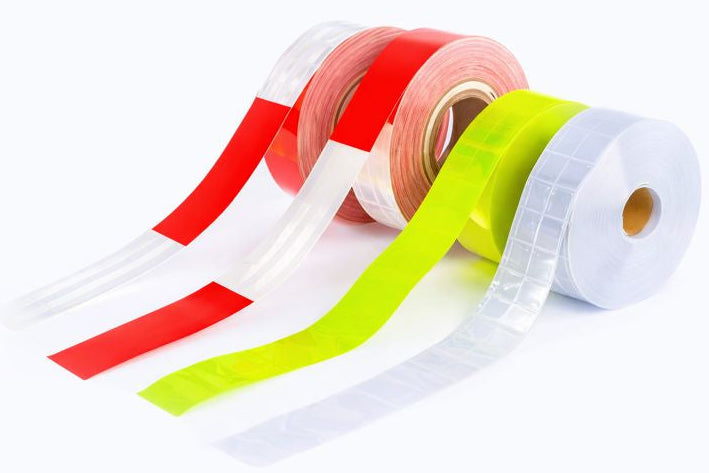
There are many types of reflective tape available, each of which varies with regard to brightness and other features to suit different applications. For example:
- Engineer-grade reflective tape. This high-quality, high-gloss tape is made from an enclosed lens retro reflective material. It is pressure-sensitive, adhering to various flat surfaces. While it was originally designed for use on vehicles to improve visibility during nighttime driving, it is also used on road signs.
- High-intensity reflective tape. This high-quality, high-gloss tape is made from microprismatic retro reflective material. It is highly durable, withstanding temperatures between -40° F to 180° F. It is typically good for a decade before it needs to be replaced due to wear and tear.
Common Applications for Reflective Tape
Reflective tape can be used in many different applications, including, but not limited to, the following:
- Sewing reflective tape to the outside of a jacket, pants, or shirt can increase your visibility while working or walking in high-traffic or low-light areas.
- Vehicles, trailers, bikes, and motorcycles. These pieces of equipment generally already have reflectors. However, many people add reflective tape to the back or sides of them for extra visibility.
- Objects near driveways and in parking lots. Handrails, low fences, and other barriers can be difficult to notice, especially if you’re in an unfamiliar parking lot or driveway. Reflective tape can highlight these objects as you navigate a narrow parking lot or a curved driveway.
- Reflective tape can protect your mailbox from being hit by unaware drivers or bicyclists, especially if it is close to the road or partially or completely hidden.
- Boats and ships. Reflective tape on the deck and the outside of the craft can help passengers and other boats avoid accidents involving out-jutting parts and protruding edges.
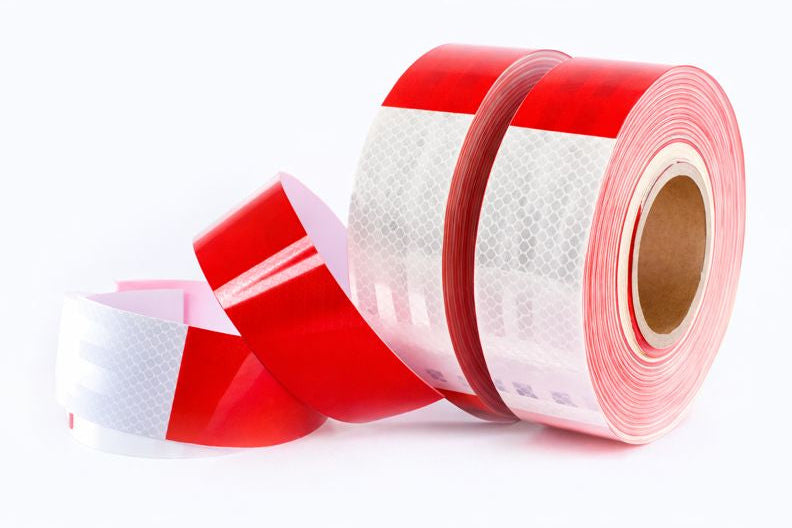
Why Should You Use Reflective Tape in the Workplace?
The Occupational Safety and Health Administration (OSHA) and other government agencies require industrial and commercial facilities to mark floors and other potentially hazardous locations with tape to prevent workplace injury. The tape markings inform facility employees and visitors of dangers they may encounter within the facility and how to avoid them, which can result in improved workplace safety.
Other purposes of reflective safety tapes in workplaces include:
- Guiding the flow of traffic within the facility
- Highlighting pathways to entrances/exits when the power is out
- Increasing worker visibility with patches on clothing and PPE
Partner With NADCO for Your Reflective Tape Needs Today
Reflective tapes are essential to ensuring safety and visibility in the workplace. Want to learn more about this product? Ask the experts at NADCO. Equipped with nearly 30 years of experience supplying tapes and other adhesive products, we can answer and address almost any question or concern you may have. If you’re looking to partner with us for your reflective tape needs, request a quote.

Industries We Serve
Aerospace Industry
Aerospace Industry
The aerospace industry uses adhesive tapes to hold and insulate critical components under exposure to a wide variety of harsh conditions, including extreme temperatures, high moisture, fluctuating pressures, and UV radiation. To withstand the operational challenges posed by aerospace equipment, tapes must meet stringent standards and requirements for temperature resistance, flammability, low weight, and adhesion.
Automotive Industry
Automotive Industry
NADCO Tapes and Labels is a leading manufacturer of standard and custom tapes and pressure-sensitive labels. With our 35,000 square foot facility full of the latest manufacturing technology, we can create custom products for countless industries, including the automotive industry.
Contruction Industry
Contruction Industry
There are many applications for adhesive tapes on construction sites both within a structure’s interior and around the exterior, and many types of construction tapes exist that provide solutions for this industry.
Electronics Industry
Electronics Industry
Adhesive tapes are common in the electronics industry. While they’re typically used for insulation and other safety reasons, there are a number of specific applications that require different custom tapes. At NADCO, we’re proud to offer a wide range of materials and adhesive options that can be used for electronic products and applications, from masking and shielding to mounting and more. Over the years, we’ve worked with countless clients in the electronics space, and not only are we familiar with industry requirements and expectations, we’ve worked to create custom solutions for these companies.
Medical Industry
Medical Industry
Adhesive tapes used in the medical industry must meet strict medical-grade standards that often require customization. The tapes used in medical applications have the potential of being exposed to varying conditions, so they must have biocompatibility and be able to withstand intense environments.
Nuclear Industry
Nuclear Industry
At NADCO, we understand that each application is different, which is why we provide a wide range of nuclear tape and label designs, features, and customization options. We aim to enhance the safety of nuclear applications with quality adhesive solutions for every situation, from nuclear warning labels and RAD wipes to hazard tape and radioactivity indicator signage.
Personal Protective Equipment Industry
Personal Protective Equipment Industry
Personal protective equipment (PPE) is a broad term that refers to the equipment used to reduce your risk of injury or illness caused by exposure to germs and dangerous working conditions. Different types of PPE are required across various industries, depending upon the unique risks posed on the job site. These include face and eye protection as well as hard hats for the construction industry.
Safety Industry
Safety Industry
Safety is a crucial aspect of any work environment. Employees need a safe work environment, and customers must be able to access products and services without undue risk. In order to establish safe facilities, many companies incorporate safety tapes.


