


Choosing the right tape or label for your products is crucial, especially when they must endure high temperatures. The materials and printing quality you select will impact both performance and costs.
In this post, Neil Doniger, co-owner of NADCO Tapes & Labels, offers valuable insights into the world of high-temperature tapes and labels. We’ll explore the different options available and how they can be customized to meet your specific needs.
Understanding High-Temperature Solutions
High-temperature tapes and labels are designed to withstand extreme conditions, typically enduring temperatures of 250 degrees Fahrenheit or more.
The benefits of high-temperature solutions include:
-
Heat Resistance: Maintains integrity and performance in extreme temperatures
2. Durability: Resistant to chemicals, abrasions, and other harsh environmental factors
3. Versatility: Suitable for a wide range of applications and industries
4. Reliability: Ensures consistent performance, which is critical in high-stakes industrial settings
5. Safety Compliance: Often meets or exceeds industry standards for safety and performance, providing peace of mind to users
Applications Across Industries
High-temperature tapes and labels are essential in various industries, each with unique requirements.
“In the plating business, for example,” Doniger said, “tape is used to mask off areas during the finishing process, which involves exposure to high temperatures and harsh chemicals.” If the tape fails, it could lead to plating errors, damage to the workpiece, or hazardous exposure for workers.
Automotive and aerospace industries also rely heavily on high-temperature materials, as their equipment, components, and structures must withstand high temperatures and thermal cycling. Additionally, high-temperature tapes and labels are used in industries such as:
- Electronics: Essential for insulation, thermal management, and component labeling in heat-generating devices
- Food and Beverage: Used in food processing and packaging to withstand cooking, baking, and sterilization processes
- Construction: Applied in HVAC systems, insulation materials, and other building components exposed to high temperatures
- Manufacturing: Employed in heat treatments, powder coatings, and other high-temperature operations
These products ensure that operations in these industries can continue smoothly, safely, and efficiently, even under the most challenging conditions.
Customization Options on High-Temperature Products
Whether you need die-cut shapes or specific adhesive properties, the right customization can enhance performance and cost-effectiveness.
Not all high-temperature materials can be printed on, but the ones that can offer additional functionality.

Kapton tape is a popular high-temperature solution. It is used where toughness, puncture resistance, and extreme resistance to heat are required.
Advancements in printing technology have enhanced the customization capabilities of high-temperature tapes, enabling the transfer of intricate designs, logos, text, and even variable data onto these specialized tapes.
It’s a key aspect of high-temperature tape and label solutions. Commercial printers can tailor these products to meet specific requirements, including:
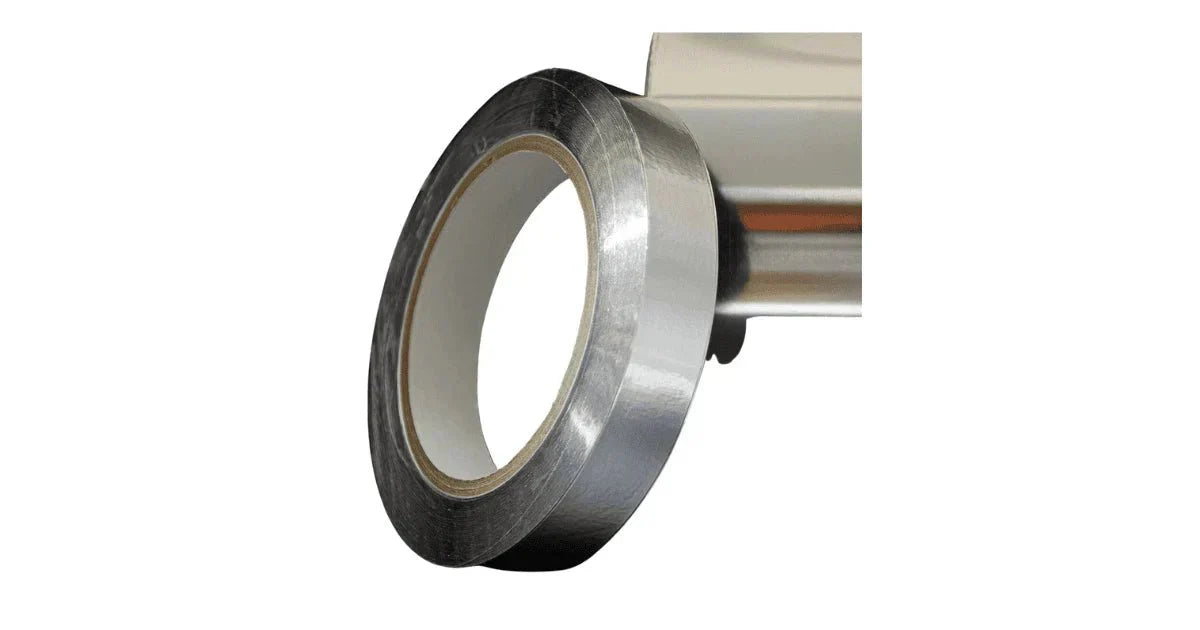
- Material Selection: Depending on the application, different base materials, such as polyimide, aluminum foil, and fiberglass, can be chosen
- Adhesive Types: Options include silicone, acrylic, or custom formulations designed for high-heat environments
- Size and Shape: Tapes and labels can be die-cut to any shape or size to fit precise specifications
- Printing and Coatings: Custom printing for branding or instructional purposes and additional coatings for added protection or functionality can be incorporated
These options ensure that the tape and label solutions are perfectly suited for their intended use, maximizing performance and longevity.
High-Temperature Printing Methods and Materials
Manufacturing high-temperature tapes and labels requires specific equipment, materials, and expertise.
The choice of printing technology significantly impacts the design and functionality of your labels, especially when dealing with high heat.
Printing Methods:
- Thermal Transfer Printing: A common and versatile choice, it uses a special ribbon for high-heat resistance and adhesion
- Flexographic Printing: Offers good printability, but compatibility with label materials is crucial
- Digital Printing: A growing option, but ensure the printer and ink can handle high temperatures
The materials, including polyimide films, silicone adhesives, and other unique coatings, are chosen for their ability to endure extreme heat without degrading.
Materials:
- Polyimide (Kapton): Withstands high temperatures (up to 500°F) and harsh chemicals, making it a popular choice
- Polyester (PET): A more affordable option with good printability, ideal for temperatures up to 400°F
- Silicone: Highly heat resistant (up to 600°F) and flexible, but may not be suitable for high-resolution printing due to its softness
Doniger said that compatibility between the printing technology (inks, ribbons, plates) and the specific high-temperature tape or label material you’re using is crucial. This ensures your labels stay adhered to and function properly under extreme heat.
Choosing the Right High-Temperature Tape or Label
Finding the ideal high-temperature tape or label requires considering several factors.
Doniger stresses the need to balance function and cost and recommends asking yourself the following questions:
- What temperatures will the tape or label be exposed to? Short-term exposure to moderate temperatures (around 350°F) might allow for a more affordable option like high-temperature masking tape. For long-term high heat or harsh chemicals, Kapton polyimide film is a popular choice due to its superior durability and chemical resistance.
- What materials are you working with? Consider if the tape or label needs to conform around curves or odd shapes. Silicone adhesives offer high heat resistance and flexibility but may not be ideal for high-resolution printing.
- Do you need the tape or label to be printed on? Not all high-temperature materials can be printed on, but those that can allow for including logos, instructions, or even variable data like serial numbers or batch codes.
By considering these factors and consulting with specialists like the team at NADCO, you can ensure you select the most appropriate high-temperature tape or label solution for your application, optimizing performance and cost-effectiveness.


